Understanding Homeowners Insurance for Foundation Leaks
Discovering water bubbling through your floor or soaking into baseboards is stressful enough without having to navigate confusing insurance policy language. When filing a slab leak insurance claim Tulare homeowners often encounter terms like "tear-out coverage," "resultant water damage," and "wear and tear exclusions."
Please note: The information presented here is for general educational reference only and does not constitute formal legal, financial, or insurance advice. Every homeowner must review their individual policy terms and consult directly with their licensed insurance representative.
Does Homeowners Insurance Cover Slab Leaks in California?
Homeowners frequently ask: does homeowners insurance cover slab leaks Tulare policies? In standard California residential policies (such as HO-3 forms), insurance carriers typically divide a foundation leak claim into three distinct categories:
1. Resulting Water Damage (Typically Covered)
Most policies provide coverage for the sudden, accidental water damage caused by escaping water. This generally includes saturated carpeting, ruined hardwood or laminate flooring, soaked drywall, warped baseboards, and the drying services required to prevent mold growth.
2. Access and Tear-Out Costs (Frequently Covered)
Many homeowners policies include an "access" or "tear-out" provision. This covers the labor and expenses required to open the concrete slab or drywall to reach the damaged pipe, as well as patching the slab back up after the repair is completed.
3. The Physical Pipe Repair (Typically Excluded)
Carriers generally view the leaking pipe itself as normal wear, tear, or gradual age deterioration. As a result, the specific plumbing cost to solder a new piece of copper or install a coupling (often a few hundred dollars) is usually the homeowner's responsibility, while the thousands of dollars in tear-out, access, and drying fall under insurance.
Need Professional Leak Documentation?
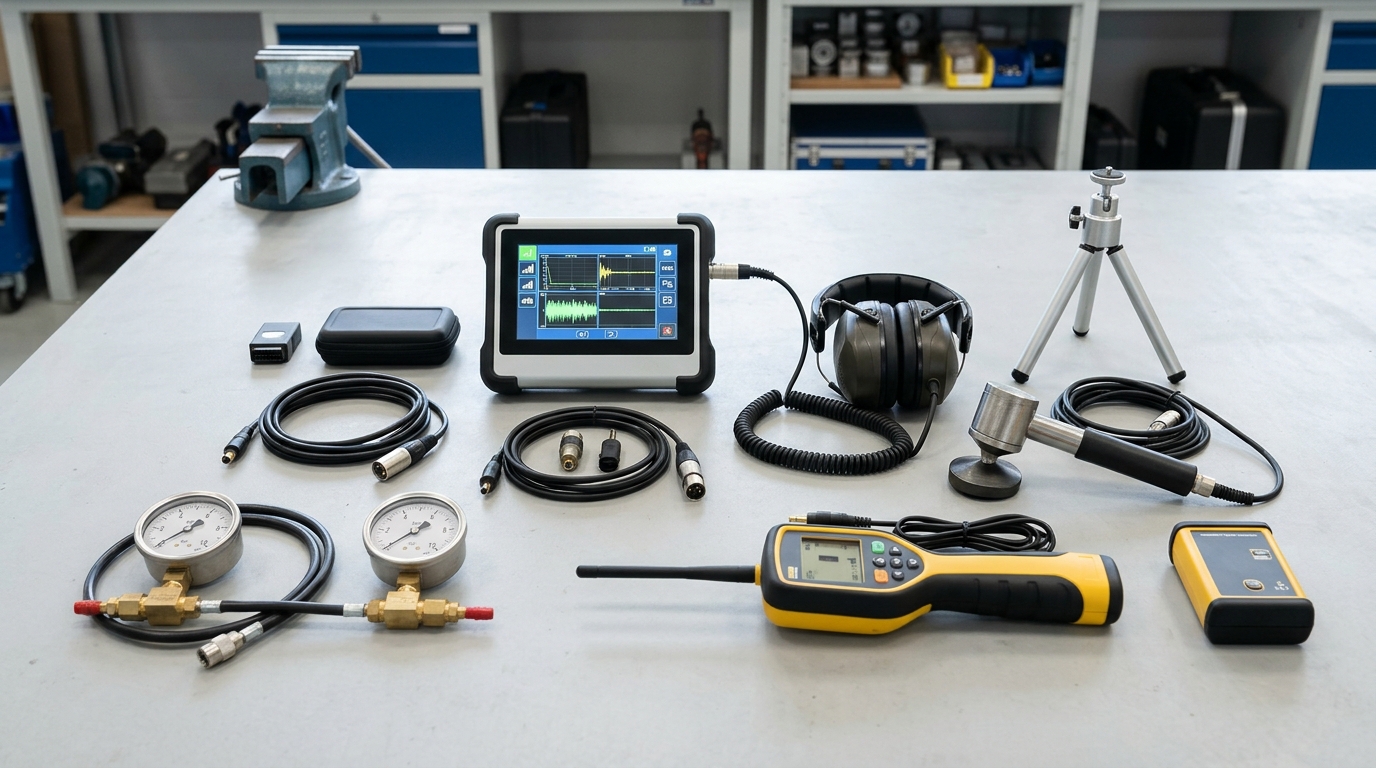
Adjusters require third-party verification that a leak is active and located under the slab. We compile comprehensive diagnostic reports with pressure tests, thermal images, and moisture maps.
Call (888) 205-7875 to Request a ReportWhy Accurate Written Leak Documentation Matters
Insurance adjusters make claim determinations based on verifiable physical facts. Submitting an informal estimate with no diagnostic evidence often results in delays, requests for reinspection, or claim denial. Quality slab leak documentation Tulare property owners provide should feature:
- Official Pressure Isolation Testing: Quantitative documentation of static line pressure loss confirming an active breach on either the hot or cold supply circuit.
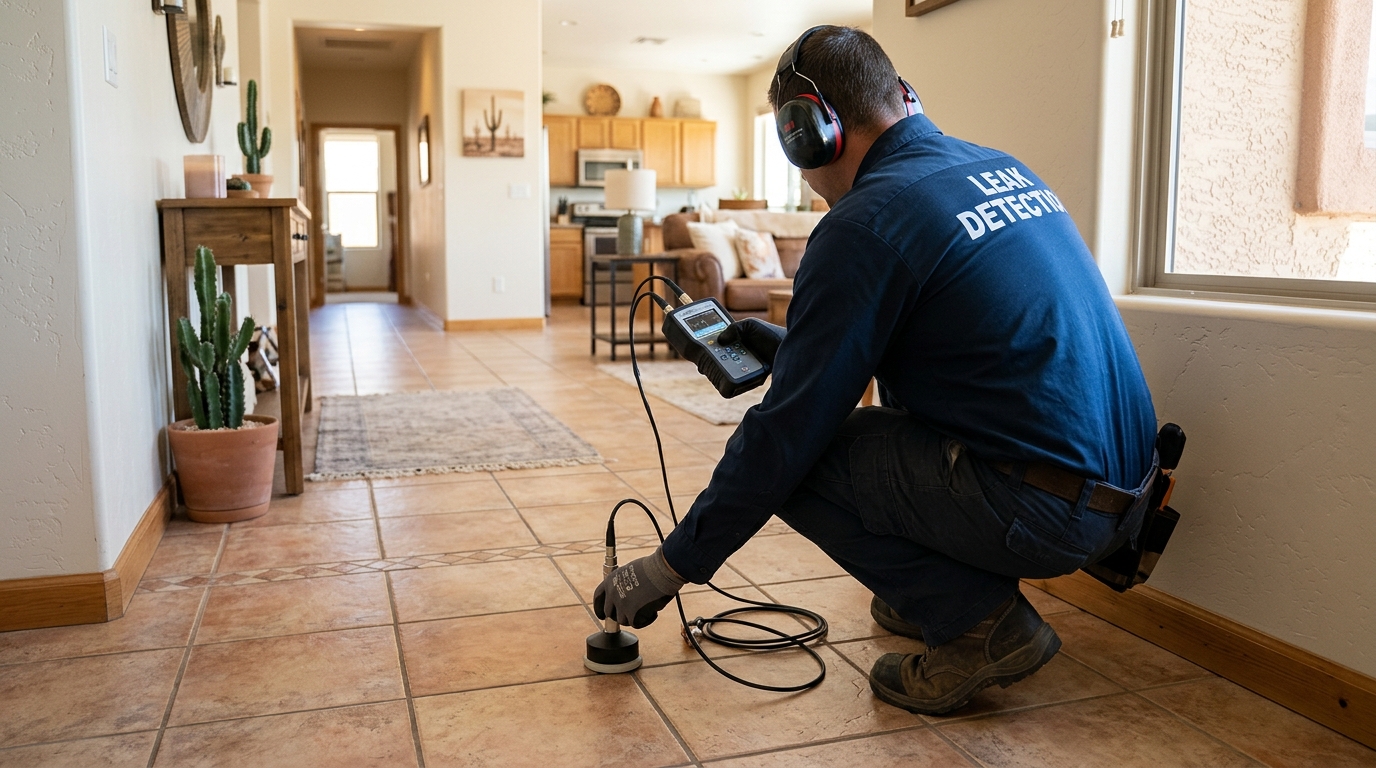
- Non-Invasive Diagnostic Methodologies: Proof that certified electronic acoustics and line tracing were utilized to isolate the exact point of foundation failure without destructive exploration.
- High-Resolution Thermal Imaging Captures: Thermal photos demonstrating the subsurface heat signature of hot water migrating under the slab.
- Moisture Mapping Readings: Calibrated moisture meter percentages showing how far water has wicked across flooring underlayment and wall baseboards.
- Structural Scope Evaluation: Clear assessment of whether direct slab excavation or an overhead slab leak reroute represents the most reasonable path to mitigate future loss.
Steps to Take Right Away When You Suspect a Claim
Protecting your property and your insurance coverage requires prompt, orderly action:
- Mitigate Further Damage Immediately: Turn off your water supply to stop active water flow. Insurance policies contain a "duty to mitigate," meaning failing to shut off running water can jeopardize coverage for ongoing damage.
- Take Detailed Photos and Videos: Photograph damp flooring, warped baseboards, water meter dials, and any visible water accumulation before anything is moved or dried.
- Schedule Professional Diagnostic Testing: Arrange a non-invasive slab leak detection inspection to establish official proof of the leak.
- Contact Your Insurance Carrier: Open a claim file, provide the diagnostic leak report, and request an adjuster inspection.
- Keep Every Receipt: Retain documentation for emergency plumbing services, dry-out fans, temporary lodging, or emergency water extraction.
Direct Repair vs. Reroute in Insurance Settlements
When reviewing repair options, insurance adjusters often evaluate the cost of jackhammering through finished tile or hardwood floors versus installing an overhead bypass. In many Tulare ranch homes, an overhead slab leak reroute is not only cleaner and less invasive, but actually less costly than breaking and restoring high-end flooring.
Presenting a clear comparison between direct excavation and an overhead reroute helps adjusters authorize the cleanest, most durable solution for your property. If your home has suffered multiple leaks and requires a full whole-house repiping, an adjuster will help delineate which portions relate directly to the covered loss.
Consult With a Tulare Slab Leak Diagnostic Specialist
If you are facing foundation water damage and need reliable, detailed diagnostic documentation for your insurance provider, call our team today. We provide prompt diagnostic assessments throughout Tulare, Downtown neighborhoods, and adjacent communities including Farmersville, Exeter, and Corcoran.
Learn more about our local service area on our Service Areas overview, or review our core slab leak repair in Tulare page for complete service information.